
Hedgehog Signal Transduction
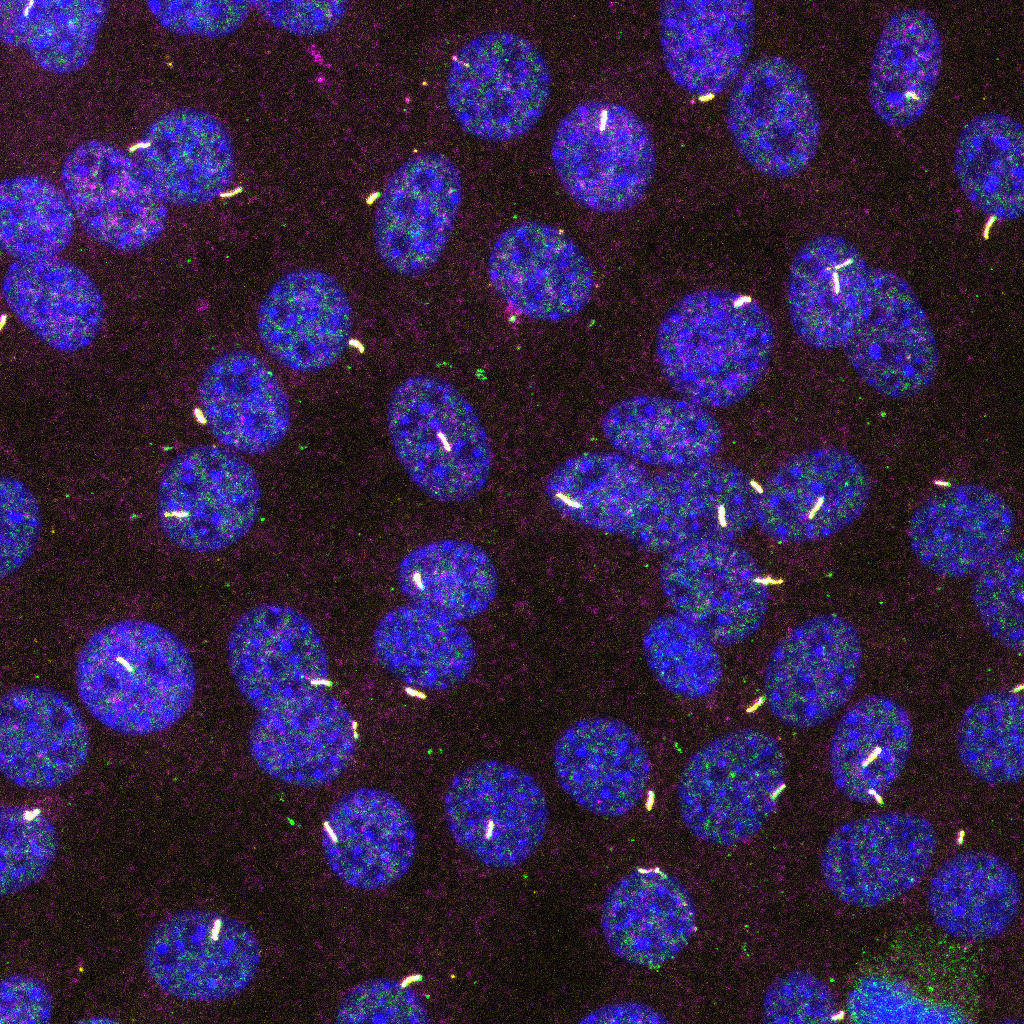
Much of our work focuses on the Hedgehog (Hh) pathway, a major player in development and regeneration that controls the formation of nearly every organ in our bodies. The Hh pathway is also a fascinating model for how membrane proteins and lipids influence cell fate decisions. Insufficient Hh signaling is linked to birth defects, while pathway overactivation drives several common cancers. Yet surprisingly, the critical biochemical events regulating Hh signaling at the membrane remain largely unknown. We are dissecting the biochemical processes that enable cells to respond to Hh signals. Our approach utilizes novel optical, biochemical, and electrical sensors to monitor key Hh signal transduction events as they unfold in real-time. By using these sensors to study key Hh pathway steps in both living and in vitro systems, we are gaining a deep understanding of the underlying transduction mechanism, which would have profound implications in developing novel therapeutic agents to modulate Hedgehog signaling in cancer and other diseases.

Model for SMO-GRK2-PKA communication during Hh signal transduction in the primary cilium. pdf
Glossary
-
Glioma associated proteins - a group of transcription factors which regulate expression of Hedgehog target genes. Phosphorylation of GLI proteins by PKA-C leads to their degradation while the activation of SMO receptor helps retain their function.
-
G-protein coupled receptor - a group of eukaryotic membrane receptors consisting of seven transmembrane domains and commonly couple with G proteins to transmit extracellular signals.
-
A group of proteins that interact with G-protein coupled receptors to transmit signals from various extracellular stimuli. They have the ability to bind to and convert GTP (guanosine triphosphate) to GDP (guanosine diphosphate).
-
A signaling pathway involving hedgehog proteins that plays central roles in embryonic development and proper cell differentiation. Abnormalities in this pathway could lead to cancer.
-
Catalytic subunit of protein kinase A - a cAMP-dependent kinase protein that phosphorylates glioma-associated (GLI) transcription factor downstream of the Hedgehog signaling pathway, which leads to the degradation of GLI and suppresses Hedgehog target genes expression.
-
Protein kinase inhibitor motif - a region in mouse Smoothened protein cytosolic tail that directly interacts and inhibits PKA-C activity by acting as a pseudosubstrate.
-
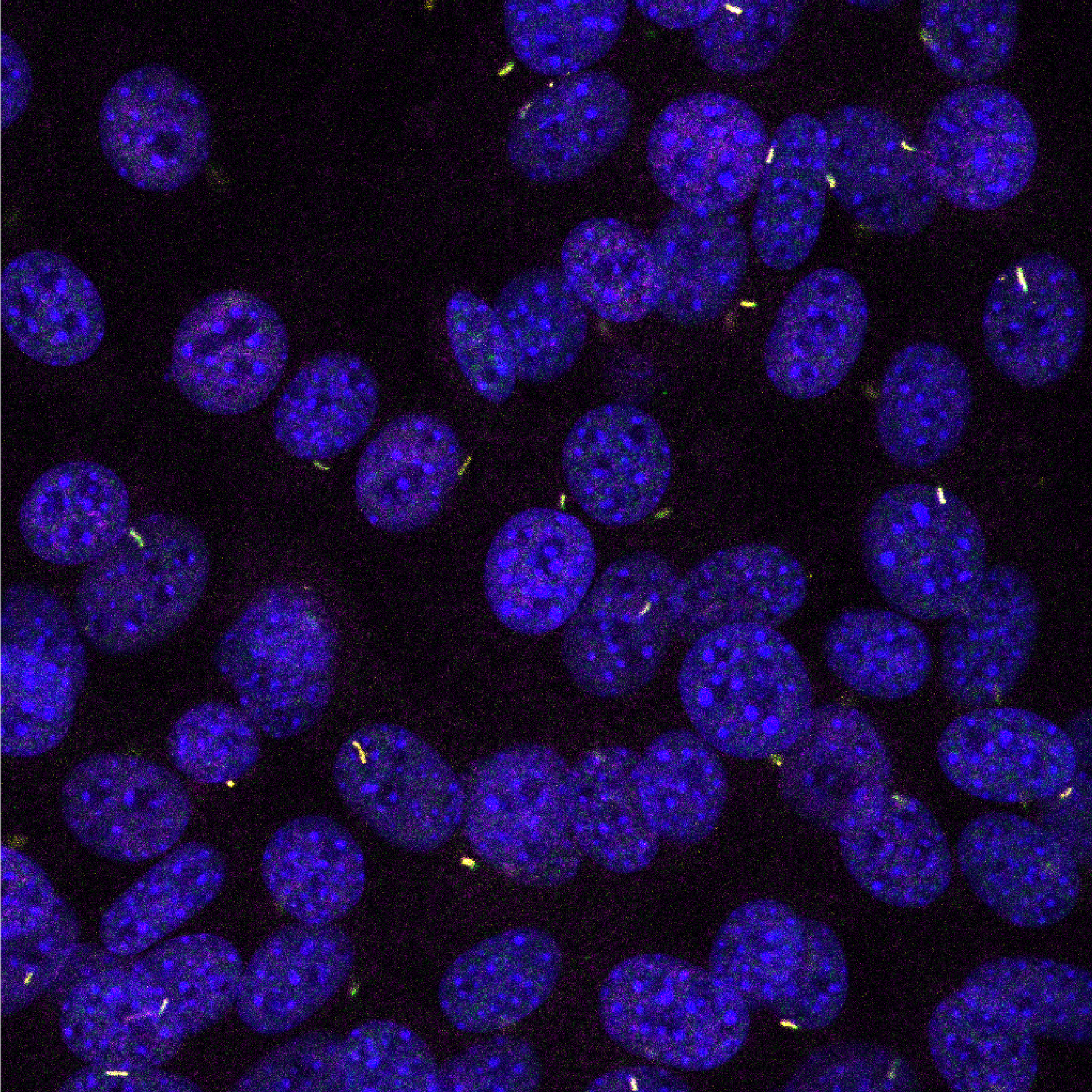
A non-motile membrane protrusion present in many mammalian cell types. It serves as a specialized compartment for many physiological processes, including various signal transduction pathways like Hedgehog.
-
Smoothened - a class F G-protein coupled receptor that is central in the Hedgehog signaling pathway. A noncanonical GPCR, SMO directly binds to its effector protein PKA-C via a pseudosubstrate motif in its cytosolic tail, leading to the activation of Hedgehog target genes downstream.
Our Research Interests
-

Hedgehog Signal Transduction
-

The Primary Cilium
-

New Roles for Lipids and Kinases in Signal Transduction